You can find here finished pieces, either paleoart or other scientific illustrations. Do not use without credit!
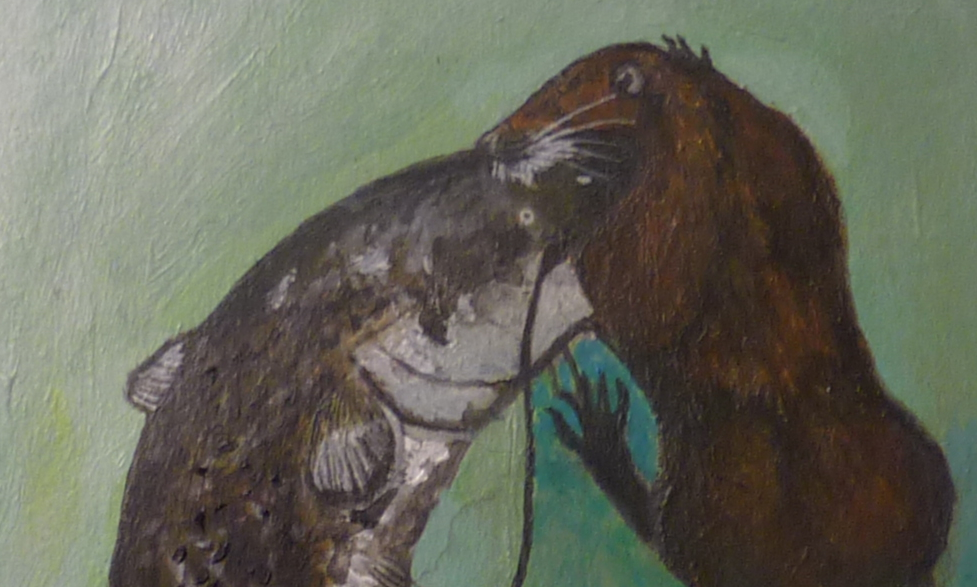
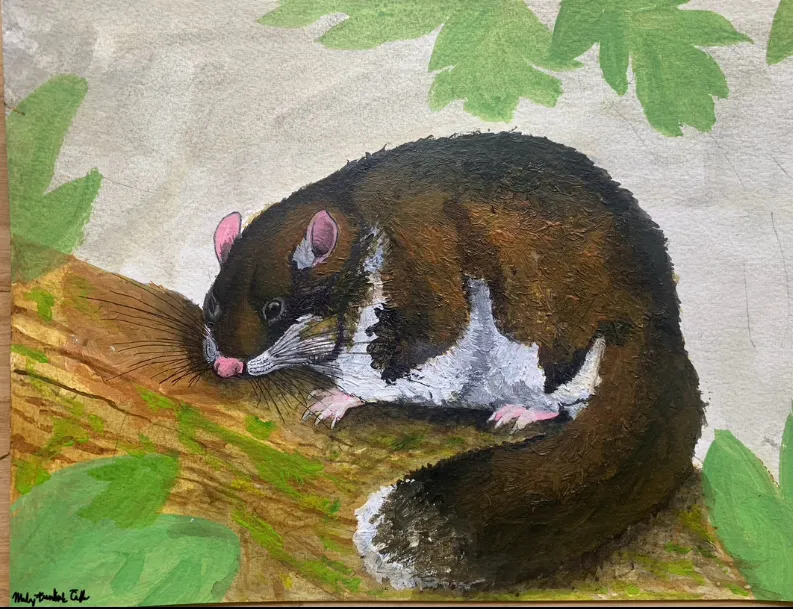
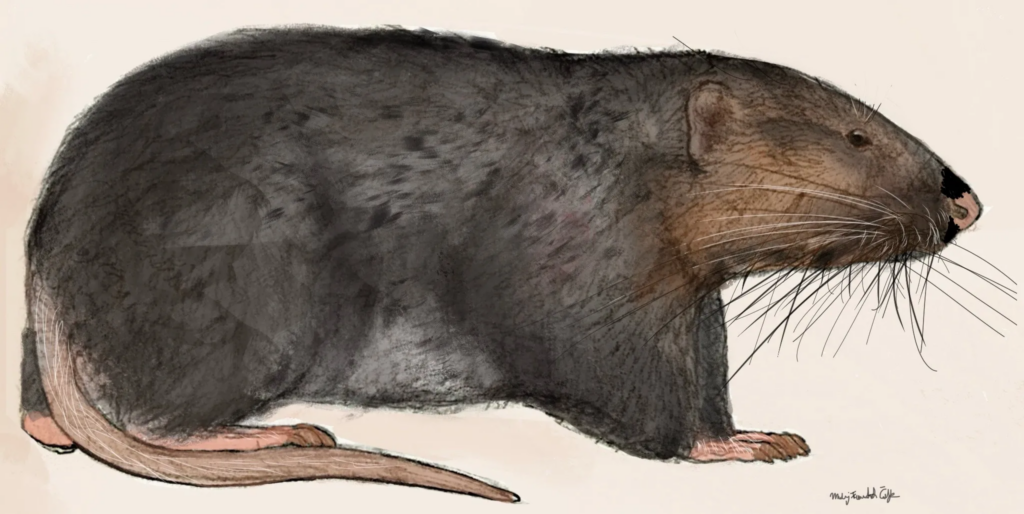
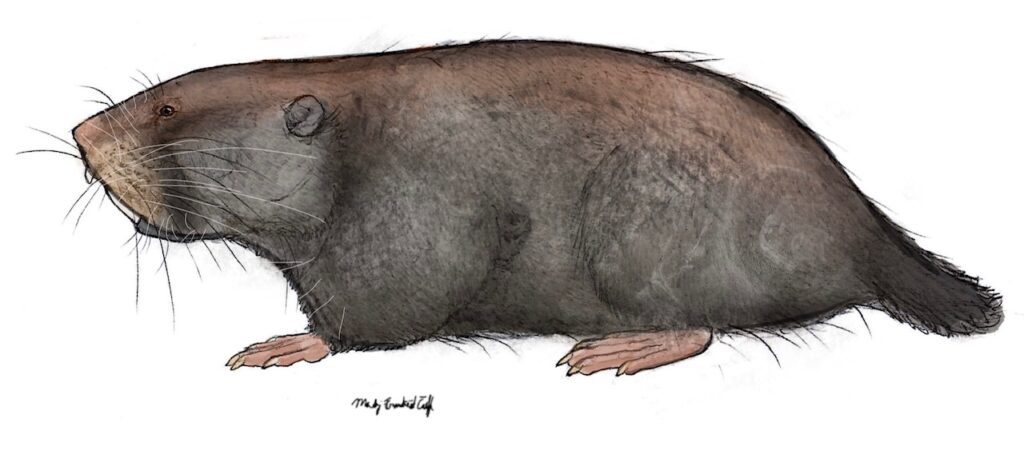
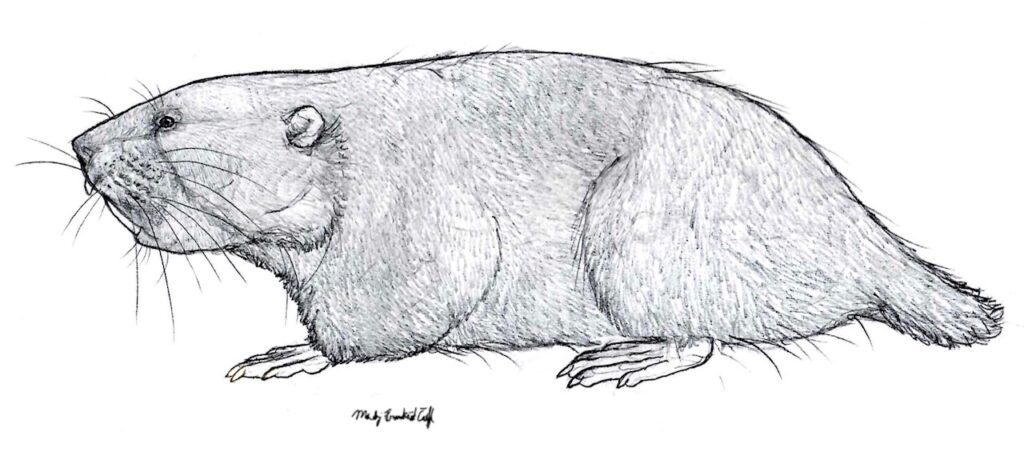
an extremely rare underwater interaction: welsh catfish (Silurus glanis) attacking the beaver Trogontherium cuvieri, Middle Pleistocene, Central Europe.Eocene dormouse (glirid) Eogliravus of Europe.A semi-fossorial entoptychine geomyid, Pleurolicus nelsoni.the primitive beaver Steneofiber of Oligocene-Miocene Eurasia.Epigaulus hatcheri, a large, horned mylagaulid of Late Miocene North America.Parapodemus lugdunensis, a wood mouse of Late Miocene, France.Eomyodon volkeri – a terrestrial eomyid of Late Oligocene, Germany.Bransatochoerus elaverensis – a doliochoerid suine of Late Oligocene, Massif Central, France.The extant giant forest hog (Hylochoerus).Chleuastochoerus linxiaensis – small hyotheriine suid of Late Miocene China.Wild boar (Sus scrofa) juvenile with labeled cranial anatomy. Occipital region is damaged and M3 not erupted yet.two extinct peccary species of Pleistocene Americas.Some species of grey fox (Urocyon) of the Pleistocene.a simple maned wolf (Chrysocyon brachyurus)Proviverra typica – proviverrine hyaenodont of Lutetian (Middle Eocene) France.Masrasector nananubis – a small, terrestrial teratodontine hyaenodont of Priabonian (~34 Ma), Egypt.Apterodon langebadreae – semiaqutic hyainailourid of Middle Eocene Libya.Nyctereutes donnezani – a large species of raccoon dog of Pliocene Europe.The extant Reeves’s muntjac (Muntiacus reevesi)Vulpes mathisoni – extinct fox species of Pliocene Ethiopia, being similar to the extant pale fox (Vulpes pallida) of subsaharan Africa.Vulpes riffautae – an extinct fox species of late Miocene Chad.Atherurus karnuliensis – a large species of brush-tailed porcupine (Hystricidae) of Pleistocene India, China and Vietnam.Hystrix vinogradovi – an extinct porcupine species of Pleistocene Ural mountains, Russia.Anchitheriomys buccei – a primitive castorid of Early Miocene N. America, that was roughly the same size as modern american beavers.Castor californicus – extinct species of modern North american beavers.Colored versionReconstruction of Migmacastor procumbodens, a poorly known fossorial beaver of Late Oligocene North America.Reconstruction of an aplodontid Plesispermophilus, of the Eocene-Oligocene extinction event (Grand Coupure). Judging from the bunodont dentition, they were less specialized feeders than the extant Mountain beaver (Aplodontia rufa) and diferred ecologically.Selection of anomaluroid rodents. 1) Oromys; 2) Prozenkerella; 3) Zenkerella; 4) Shazurus; 5) Argouburus; 6,7) Paranomalurus;Reconstruction of Nonanomalurus soniae.Reconstruction of an anomaluroid rodent, Shazurus minutus.Reconstruction of Paranomalurus bishopi.Giant flying squirrel (Pteromyini) of Miocene Austria, Albanensia grimmi.Giant possible marmot-like ischyromyid rodent of Oligocene N. America, Manitsha tanka.Reconstruction of Pseudotomus oweniReconstruction of Paramys delicatus.Eocene theridomorph rodent Masillamys beegeri and a juvenile.hyaenodont Sinopa rapax of Eocene North America.a protrogomorph rodent Ailuravus macrurus of Eocene Messel Pit.taeniolabidoid multituberculate of Late Cretaceous China, Yubaatar zhongyuanensisThe slow loris, Nycticebus sp.Reconstruction of Plesiadapis cookei. (Click on the image for 3D model used as reference.)a collage presenting the diversity of muroids for a book project.European water vole (Arvicola amphibius).Reconstruction of a primitive gliding euharamyidan mammal of Late Jurassic China, Xianshou linglong.Reconstruction of a strange cricetid Melissiodon, shown here as an oligochaete specialist. Scale bar is 3 mm.Skull reconstruction of a fossil muroid Cricetops dormitor, of Oligocene Mongolia. Scale bar is 10 mm. Based on (Carrasco and Wahlert, 1999). Ochotona horaceki, pika species of Early Pleistocene Slovakia.Rhombomylus turpanensis, a more derived basal gliroid, also of Eocene China.Matutinia nitidilus, a primitive basal gliroid of Eocene China.Trogontherium cuvieri, a giant beaver (castorid) of pleistocene Europe, that was ecologically more similar to nutria than to modern beavers.a not very well-known theridomorph rodent, Suevosciurus ehingensis.Tsaganomys altaicus, a fossorial rodent of asian Oligocene.Eolophiodon laborienseEogliravus wildi, a dormouse species of Eocene Europe.the extant steppe polecat, Mustela eversmaniiCanariomys bravoi scaled to a 1.8 meter tall human
Tenerife giant rat – Canariomys bravoi
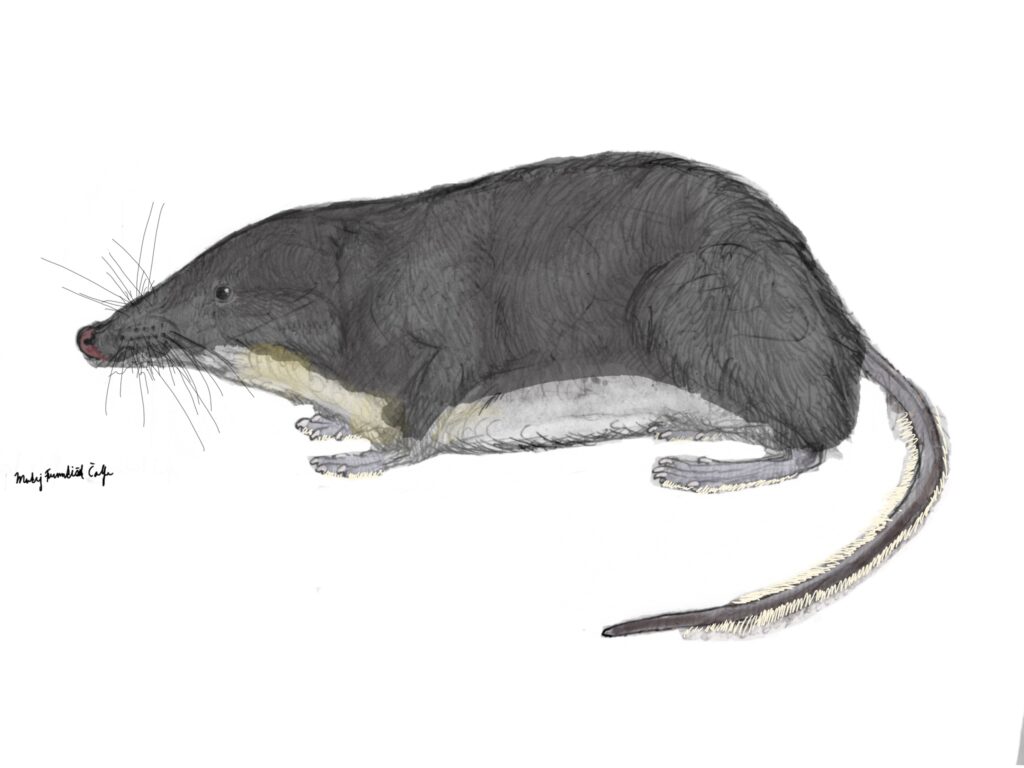
Neomys newtoni, an ancestral water shrew of EuropeRhizospalax poirrieri, tooth-digging fossorial castorimorph of Oligocene France.Cave bear species and subspecies of the Last Glacial of EuropeDrassonax harpagops, one of the first primitive ursids from North America.Podiceps miocenicus, a grebe species from the Paratethys megalake of Late Miocene.Reconstruction of Kolponomos newportensis as a stem-pinniped.
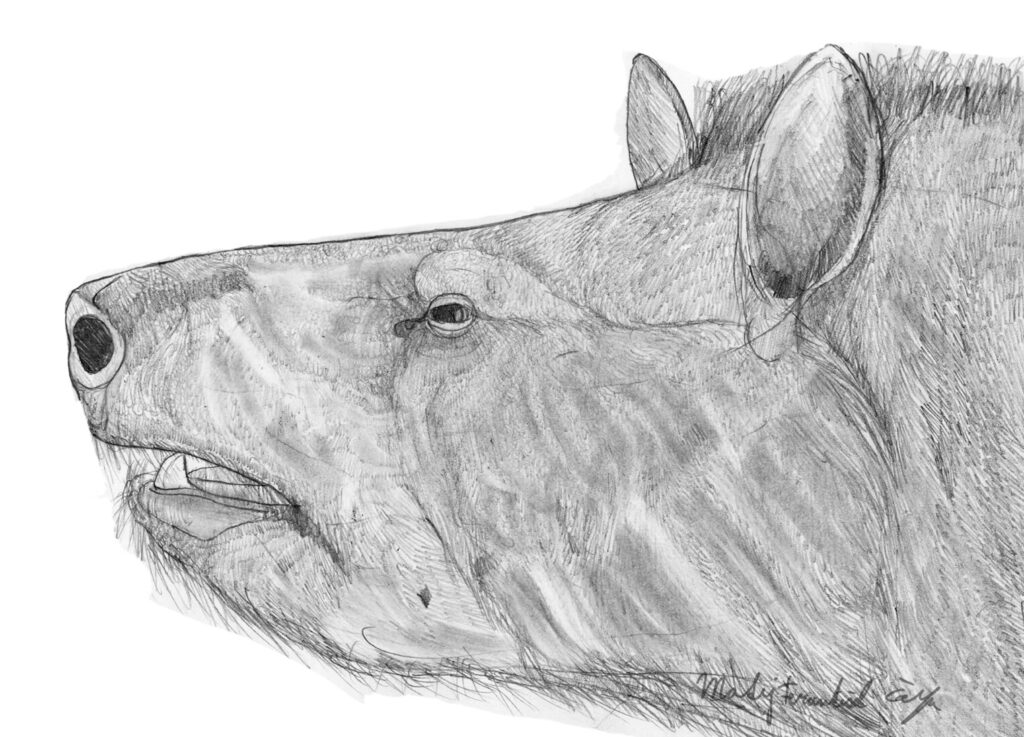
The reconstruction of a caniform Lonchocyon qiui from the Late Eocene of Mongolia.
The reconstruction of a thaumastocyonine amphicyonid (bear-dog), Ammitocyon kainos.The profile of beringian wolf ecomorph.The Giant Schnauzer, one of the finest guarding dog breeds, originally bred on farms of Bavaria, Germany.An ancestral wolverine Gulo schlosseri from Pleistocene.The semiaquatic otter-like hyainailourid Apterodon macrognathusThe reconstruction of a phocid seal Devinophoca emryiquick sketch of a beech marten (Martes foina)The pleistocene beringian wolves (Canis lupus) and its prey, the yukon horse (Equus lambei)The pleistocene beringian wolf ecomorphWest siberian laika, one of the northern primitive hunting breeds.Reconstruction of Canis chihliensis, an early pleistocene species that inhabited China.The greenland wolf (Canis lupus orion), an extant subspecies of wolf that inhabits Greenland, even in the most northern parts.
Reconstruction of Migmacastor procumbodens.
Reconstruction of Kopidodon macrognathus.Reconstruction of Palaeosinopa sp.European water vole (Arvicola amphibius)Two species of Malagasy giant rats Hypogeomys. H. australis (on the right) is an extinct one.Reconstruction of Canis accitanus, small jackal-like canid from iberian pleistocene.an old reconstruction of Panthera gombaszoegensis I did after reading the paper that suggested it to be more closely related to P. tigris than other panthera.A little old reconstruction of Deinocheirus. Althought still accurate I assume.Deinogalerix masinii, a small ancestral species of Deinogalerix.Moropus elatus